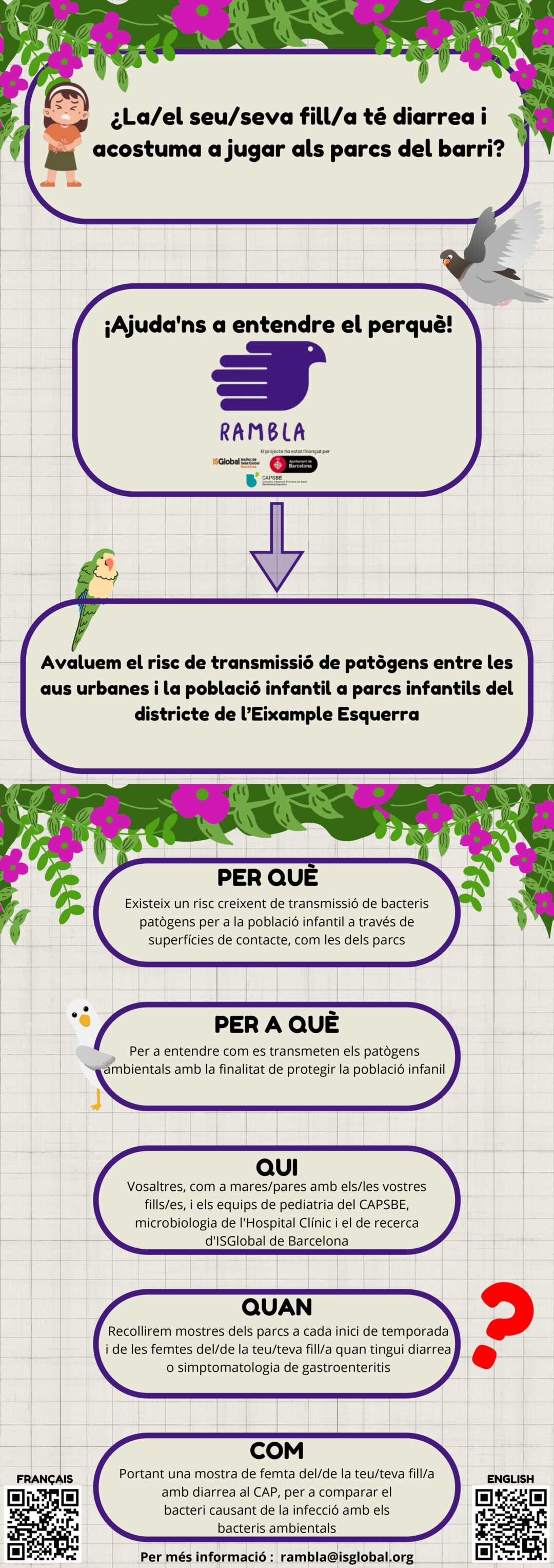



When we think of a playground, we picture swings, slides, children playing and families spending time together outdoors. But these spaces are also home for millions of microorganisms that are invisible to the naked eye. Most are harmless, but some may be potentially pathogenic bacteria or even resistant to antibiotics.
What is antibiotic resistance?
Antibiotic resistance is currently one of the major challenges facing global health. This phenomenon occurs when bacteria develop mechanisms that enable them to survive antibiotics that would normally kill them or prevent their growth. As a result, some infections become more difficult to treat and increase the risk of complications.
Although antibiotic resistance is a natural process through which bacteria adapt, the excessive or inappropriate use of antibiotics has accelerated the emergence and spread of resistance.
The problem is not new. Shortly after Alexander Fleming’s discovery of penicillin in 1928, bacteria capable of resisting this antibiotic began to be detected. Over the decades, and particularly since the widespread use of antibiotics, microorganisms that are increasingly difficult to treat have emerged. The World Health Organisation considers antimicrobial resistance to be one of the main threats to global health.
Where can antibiotic-resistant bacteria be found?
The answer is: practically everywhere. Bacteria are part of our environment and can be found in soil, water, animals, everyday objects and the different urban spaces that we frequent on a daily basis. But they are not just all around us: each of us is also home to a whole universe of bacteria that lives alongside us every day. It is precisely in these environments, both outside and inside our bodies, that we can also find antibiotic-resistant bacteria.
These environments include playgrounds, where people, pets and urban birds come into contact with one another. These interactions create a complex microbial ecosystem in which different microorganisms can circulate between animals, people and the environment.
What bacteria can be found in playgrounds?
It is precisely this situation that has prompted a study carried out by ISGlobal to identify which bacteria are found in playgrounds, with particular attention to surfaces that are most frequently touched by users. The main aim is to determine whether these public spaces can act as reservoirs for pathogenic, emerging or antibiotic-resistant microorganisms.
As part of this research, carried out in playgrounds in Barcelona's Esquerra de l'Eixample neighbourhood, researchers have explored whether there is a link between the bacteria found on playground surfaces, urban bird droppings and children. This raises the question: Is there a route of transmission?
This type of study helps us better understand which microorganisms are present in these environments, identify possible routes of transmission, and understand the antibiotic-resistance mechanisms found in these environmental bacteria.
Do bacteria in playgrounds pose a health risk?
Detecting bacteria in a public space does not necessarily mean that there is a high risk to the population. Living alongside microorganisms is part of our everyday lives, and most of them are not harmful to our health.
However, identifying which bacteria are present and determining whether any of them are resistant to antibiotics is important for gaining a better understanding of how these microorganisms circulate and which factors may contribute to the spread of antimicrobial resistance.
The aim is not to prevent children from coming into contact with microorganisms, which would be impossible, but to better understand these ecosystems and identify measures that can help prevent the spread of antibiotic-resistant bacteria.
How can we prevent the spread of resistant bacteria?
In this context, some simple habits can help prevent the spread of microorganisms and, in particular, reduce the risk of infection:
- Wash your hands after playing in the playground and before eating.
- Maintain good personal hygiene, especially after outdoor activities.
- Maintaining good pet hygiene when you return home, especially cleaning their paws, can help reduce the spread of these bacteria.
- Use antibiotics responsibly, only take them when necessary, always follow the instructions and dosage prescribed by your healthcare professional and complete the full course of treatment. Any leftover medicines should be taken to a SIGRE collection point at a pharmacy.
These measures remain essential tools for preventing infections and helping to slow the spread of antibiotic resistance.
Antibiotic resistance is also tackled outside hospitals
Tackling antimicrobial resistance does not depend solely on hospitals, laboratories or healthcare professionals. It is also linked to the environment and to people’s everyday habits. Above all, playgrounds are places for playing, socialising and enjoying the outdoors. Understanding the microorganisms that live alongside us in these spaces can help us learn more about our environment and raise awareness of a silent problem that affects society as a whole: antibiotic resistance.
INFORMATION DOCUMENTED BY:
Karol Delgado Juca; MSc in Microbiology, PhD candidate in Microbial Biotechnology; ISGlobal / UB
Marina Tarrús Barberillo; Science Communication on Antimicrobial Resistance, ISGlobal Microbiology Group