What is High Blood Pressure?
High blood pressure is probably the most prevalent condition worldwide and affects approximately a third of the population. It is the primary cardiovascular risk factor. High blood pressure is known as the “silent killer” as it does not present any symptoms in most cases and so individuals can develop heart, brain or kidney problems without even realising their pressure is too high.
High Blood Pressure explained in first person
Eating less salt, losing weight, giving up smoking, going from sitting on the sofa watching TV to taking exercise, whether that’s walking, cycling, etc. - this is very difficult, but it’s one of the basic forms of treatment. If we don’t do this, all the medications we can prescribe are much less effective.
Basically giving up salt, stopping smoking, which I’m working on, and walking, even if it’s just half an hour a day. I think that’s enough to keep it under control.
High blood pressure, or arterial hypertension, is often considered a “silent” condition as it does not present any symptoms in most cases. The absence of symptoms can make early detection more difficult, increasing the risk of cardiovascular, kidney and cerebrovascular complications if it is not properly diagnosed and treated.
Its high prevalence is associated with several factors, including excessive salt intake, physical inactivity, obesity, smoking, alcohol consumption, stress and other unhealthy lifestyle habits.
Early detection, effective management of risk factors and regular medical check-ups are essential to help prevent complications and improve cardiovascular health.
Blood pressure
Blood pressure is measured using two values: systolic blood pressure and diastolic blood pressure.
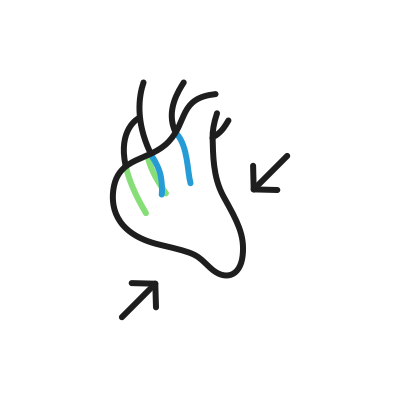
Systolic blood pressure. This is the maximum blood pressure value and corresponds to the pressure exerted against artery walls when the heart contracts and blood is pumped out of the heart.
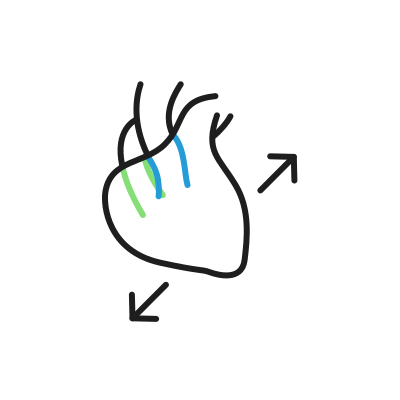
Diastolic blood pressure. It refers to the minimum blood pressure value, which reflects the pressure exerted by the blood against the artery walls when the heart relaxes between beats and fills with blood.
Blood pressure is usually expressed as two numbers separated by a slash; the first is the systolic and the second represents the diastolic pressure. For example, a blood pressure reading of 120/80 mmHg means that the systolic pressure is 120 mmHg and the diastolic pressure is 80 mmHg.
The pulse pressure is the difference between the systolic and diastolic pressures.
Classification of blood pressure in the clinical setting
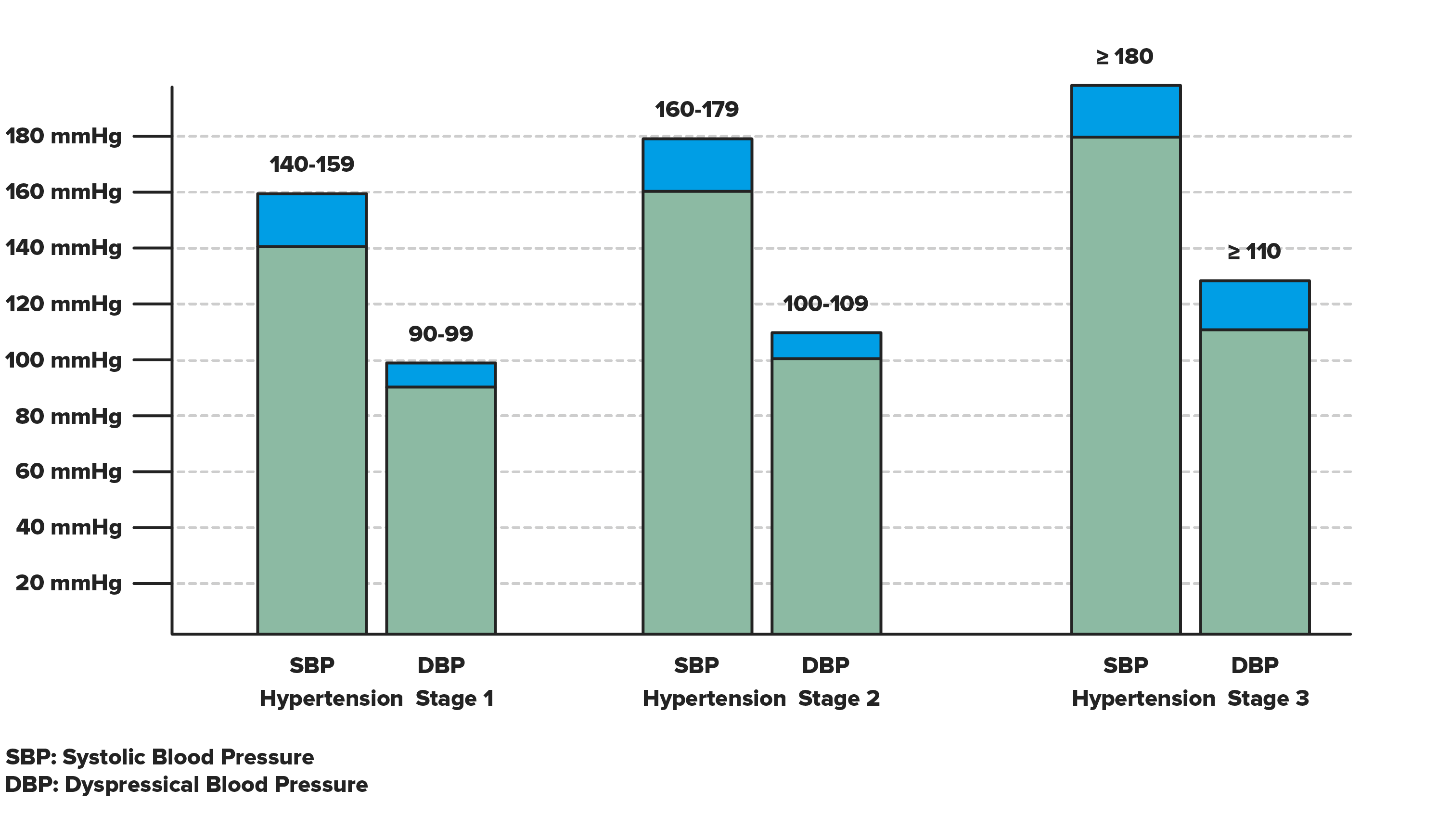
Blood pressure is categorised according to the readings obtained during measurement in a clinical setting. Values are expressed in millimetres of mercury (mmHg).
Traditionally, European guidelines have divided blood pressure into six categories: optimal, normal, high-normal, and grade 1, 2 and 3 hypertension.
-
Optimal blood pressure: systolic blood pressure below 120 mmHg and diastolic blood pressure below 80 mmHg.
-
Normal blood pressure: systolic blood pressure of 120-129 mmHg and/or diastolic blood pressure of 80-84 mmHg.
-
High-normal blood pressure: systolic blood pressure of 130-139 mmHg and/or diastolic blood pressure of 85-89 mmHg.
-
Grade 1 hypertension: systolic blood pressure of 140-159 mmHg and/or diastolic blood pressure of 90-99 mmHg.
-
Grade 2 hypertension: systolic blood pressure of 160-179 mmHg and/or diastolic blood pressure of 100-109 mmHg.
-
Grade 3 hypertension: systolic blood pressure equal to or above 180 mmHg and/or diastolic blood pressure equal to or above 110 mmHg.
When the systolic and diastolic blood pressure values fall into different categories, the higher category is used. For example, a blood pressure reading of 165/95 mmHg would be classified as grade 2 hypertension because the systolic pressure falls within this range.
Additionally, a category known as isolated systolic hypertension exists when the systolic pressure is 140 mmHg or higher and the diastolic pressure is below 90 mmHg. This type of hypertension is the most common form in older adults.
How many people does it affect?
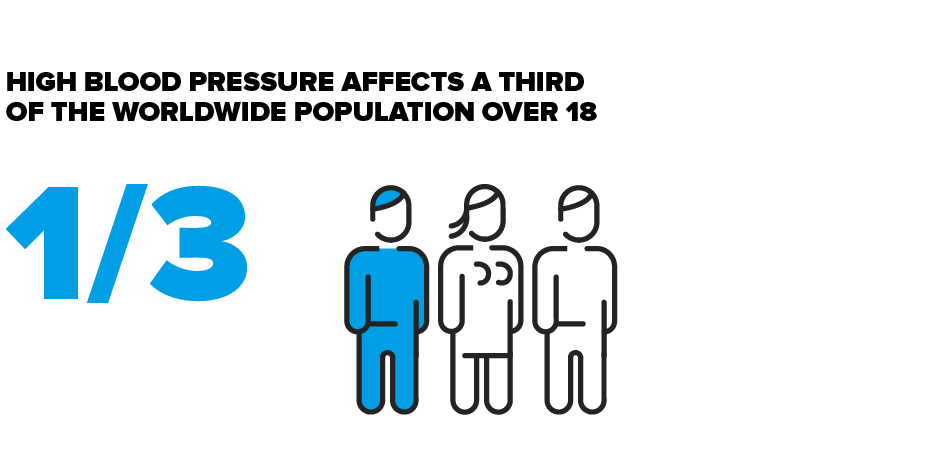
High blood pressure affects over 20% of adults aged between 40 and 65 years and over 50% of those aged over 65, this accounts for approximately one third of the adult population. In recent decades, there has also been an increase in its prevalence among younger people.
Substantiated information by:


Published: 20 February 2018
Updated: 18 August 2026
Subscribe
Receive the latest updates related to this content.
Thank you for subscribing!
If this is the first time you subscribe you will receive a confirmation email, check your inbox


