Treatment of arterial High Blood Pressure
Lifestyle changes are a fundamental part of managing elevated blood pressure and arterial hypertension. For some people, especially during the early stages, these changes may be enough to reduce blood pressure levels and postpone or prevent the need for medication. However, even when medication is prescribed, maintaining healthy habits is important to manage blood pressure and reduce cardiovascular risk.
Non-drug therapy remains essential in all cases, whether medication is required or not. The aim is to lower blood pressure, improve metabolic health, maintain a healthy weight and reduce the risk of cardiovascular, kidney and cerebrovascular complications.
Key lifestyle recommendations include:
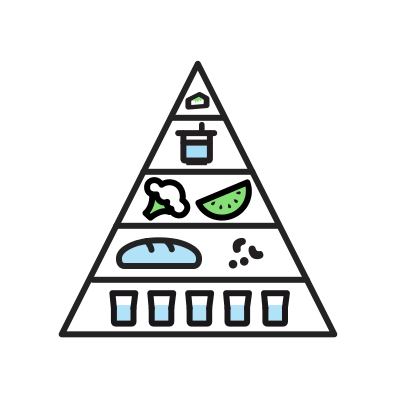
Following a healthy diet. Following a healthy eating pattern, such as the Mediterranean diet, is recommended. This diet is rich in vegetables, fruit, pulses, nuts, whole grains, fish and extra virgin olive oil. It is also advisable to reduce the consumption of red and processed meats, ultra-processed foods, sugary drinks and foods with a high salt content.
Reducing salt intake. This is one of the most important measures for controlling blood pressure. To achieve this, it is recommended to avoid or limit foods that are high in salt, such as cured meats, canned foods, salty snacks, ready-made meals, commercial sauces and processed foods.
Alcohol consumption and smoking. It is recommended to give up smoking and to restrict alcohol consumption as much as possible. Smoking increases overall cardiovascular risk and contributes to damage to the blood vessels. Alcohol consumption can increase blood pressure and make it more difficult to control, particularly when consumed in large amounts.
Rest and sleep. Good-quality sleep is an important part of a healthy lifestyle. Lack of sleep, insomnia or certain conditions such as obstructive sleep apnoea can contribute to higher blood pressure and make it more difficult to manage. People who experience loud snoring, breathing pauses during sleep, daytime sleepiness or persistent high blood pressure should be considered for further evaluation.
Maintaining a healthy weight. Excess weight and obesity increase the risk of developing high blood pressure and may make it more difficult to manage. Losing weight when needed can help lower blood pressure and improve other cardiovascular risk factors, such as diabetes, dyslipidaemia and metabolic syndrome.

Physical activity. Regular physical activity is recommended and should be adapted to each person’s age, medical condition and functional ability. Aerobic exercise, such as brisk walking, cycling, swimming or dancing, helps to lower blood pressure and improve cardiovascular health.
Combining aerobic exercise with strength training may also provide additional benefits. Strength training should be introduced gradually and following the advice of healthcare professionals, particularly for people with cardiovascular disease, functional limitations or poorly controlled high blood pressure.

Stress and emotional wellbeing. Long-term stress can affect lifestyle habits and contribute to temporary increases in blood pressure. Self-care measures, adequate rest, regular physical activity, social support, and access to professional care when required may contribute to improved overall wellbeing and better adherence to treatment.
Social support and patient education. Patient education helps people to better understand their condition, recognise the importance of treatment and take an active role in managing their own health. The involvement of family members or caregivers can help improve adherence to recommendations, support the correct use of medication and encourage regular blood pressure monitoring at home.
Drug therapy (medication) may be prescribed when lifestyle measures are not enough to control blood pressure or when cardiovascular risk makes treatment necessary. The decision to start treatment is based on blood pressure readings, overall cardiovascular risk, the presence of additional risk factors, and whether there is any damage to organs such as the heart, kidneys, brain or arteries.
High blood pressure is a chronic condition and, in many cases, requires long-term treatment. Antihypertensive drugs are generally effective and well tolerated, although they can sometimes cause side effects.
Possible side effects include:
-
Swollen ankles, only associated with a specific group of medicines called calcium channel blockers.
-
A persistent, dry cough associated with some angiotensin-converting enzyme (ACE) inhibitors.
-
Changes in potassium or sodium levels, kidney function, blood glucose levels or uric acid levels, particularly when using certain diuretics or in specific patients.
-
Dizziness or a feeling of weakness, especially if blood pressure falls too low or when standing up.
If side effects occur, treatment should not be discontinued without seeking medical advice. It is important to contact your healthcare team, as treatment can often be adjusted by changing the dose, switching medication, or prescribing an alternative that is better tolerated.
Where multiple medicines are required, fixed-dose combination tablets are preferred whenever possible, as they may improve treatment adherence and support better blood pressure control.
Substantiated information by:


Published: 20 February 2018
Updated: 18 August 2026
Subscribe
Receive the latest updates related to this content.
Thank you for subscribing!
If this is the first time you subscribe you will receive a confirmation email, check your inbox


