Living with Amebiasis

Always follow the preventative hygiene and dietary measures to prevent the risk of contracting any of the infections that are transmitted by consuming contaminated food or water (amebiasis, typhoid fever, hepatitis A, etc.). These measures are especially important in environments where health and hygiene conditions are most lacking.

Ensure you are well hydrated if you develop diarrhoea during a trip by taking oral rehydration solutions. You are advised to avoid solid foods at first and to regularly drink a lowsodium oral solution in small quantities.
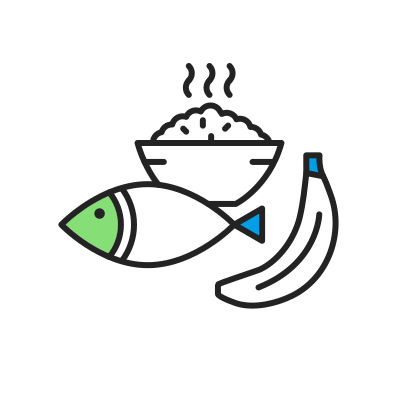
Slowly reintroduce solid foods in small quantities, based on tolerance. An astringent, easily digestible diet is recommended: rice, mashed potato or carrot, fish soup, boiled egg, omelette, grilled white fish or poultry, stewed apple, quince, ripe bananas, toasted white bread, herbal teas, etc.
Avoid drinking milk or consuming dairy products, raw fruit and vegetables, desserts (chocolate, pastries, sweets) and very cold or fizzy drinks for a few days.
If necessary, anti-diarrhoea medication can be taken to control the diarrhoea, for example racecadotril or loperamide.
It is important to remember that if diarrhoea contains blood or is accompanied by a high fever (higher than 38ºC), you should consult your doctor. In these cases, anti-diarrhoea medication is not recommended.
Subscribe
Receive the latest updates related to this content.
Thank you for subscribing!
If this is the first time you subscribe you will receive a confirmation email, check your inbox