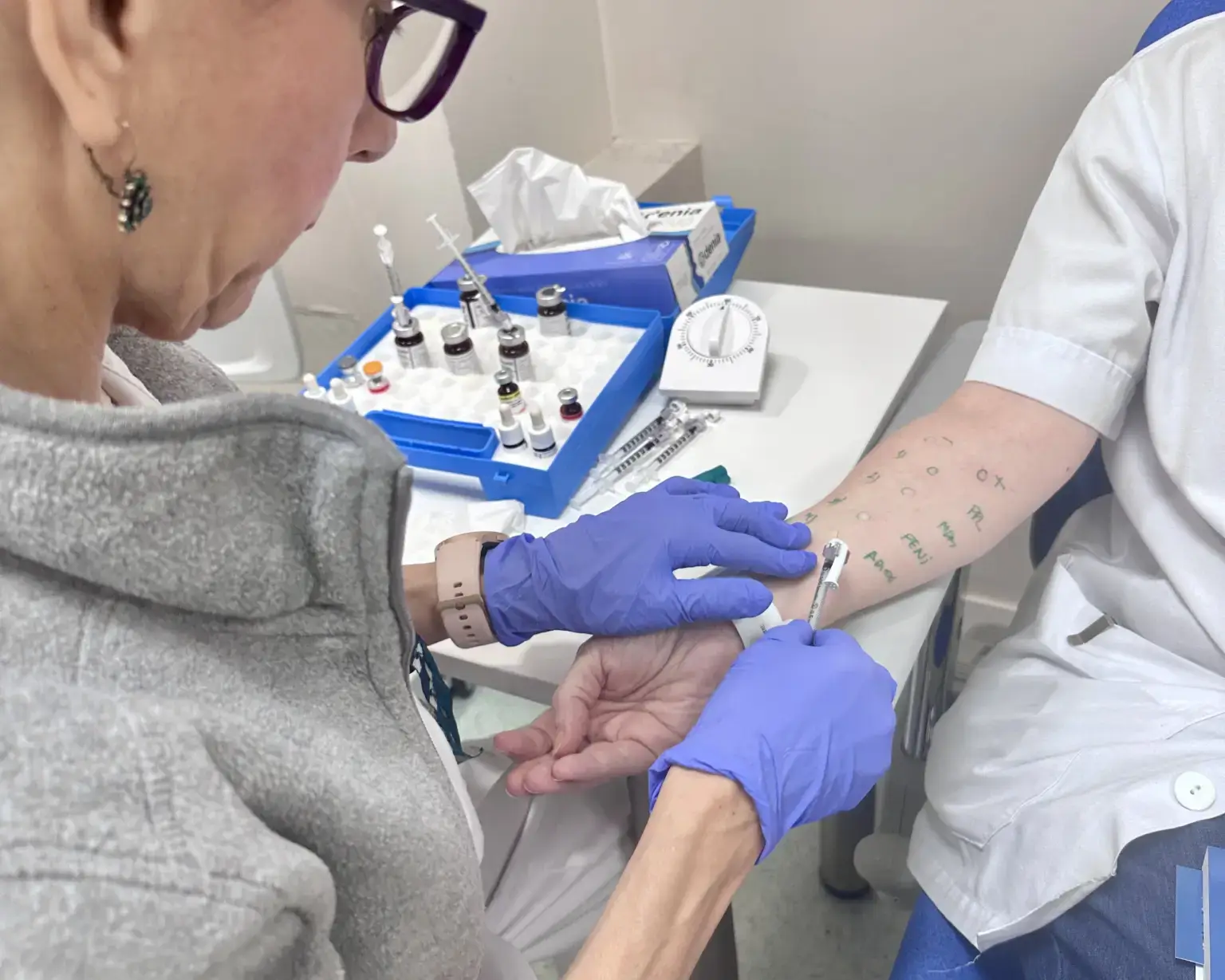
Living with Atopic Dermatitis
Atopic dermatitis is an inflammatory skin reaction that appears after coming into contact with an external agent that provokes redness and intense itchiness. It is not just a superficial skin disease; it also has an important physical and psychological impact.
Systemic treatments. In addition to creams, for moderate-to-severe cases patients also need to apply systemic treatments (e.g., immunosuppressants) or biological medications (oral medications, usually tablets) to control the symptoms.
Diet. There is no specific diet that cures atopic dermatitis. Until an allergy study can be completed, certain foods should only be avoided if there is a clear relationship with worsening lesions. Spicy and acidic foods or even alcoholic drinks can aggravate the itchiness.
Skin hydration. Creams and emollients still form the foundation of dermatitis treatment. These products help prevent water being lost through the skin by retaining moisture and restoring the skin’s lipid components.
Emollients and moisturisers
Emollients and moisturisers share a common goal: to treat dry skin, but emollients are characterised by their soothing properties. Emollients are mainly used to soften hardened skin or calm inflammation. There is no need to apply them to healthy skin. Moisturising creams, on the other hand, are characterised by the large amount of water they transfer to skin cells and their capacity to penetrate into deep layers.

Avoid stress, limit your physical exercise or number of hot baths because they can increase the itchiness.

Wear cotton clothes and avoid synthetic fibres and wool. We recommend cutting labels off your clothes and you should avoid wrapping up too much to reduce sweat.

Exercise precaution and protection in the sun. Sunshine often produces spontaneous improvements in the summer, but some people do not tolerate it very well (itchiness caused by sweat).

Cold acts as an “anaesthetic” against the itchiness. Try placing a spray bottle with thermal spring water in the fridge, then spray the chilled water on the itchy area for a feeling of cool relief.
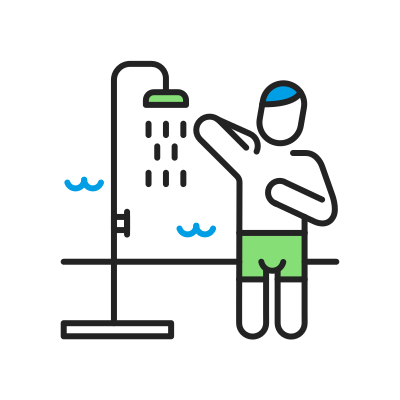
After swimming in a pool or the sea, always shower to rinse off the chlorine or salt water and apply an emollient cream.
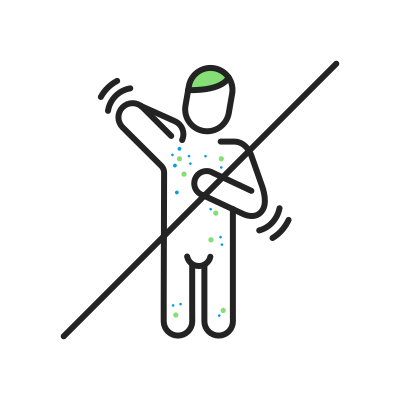
Do not scratch. The less you scratch, the less itchy it will feel and, in turn, your urge to scratch will wane. Nevertheless, keep your nails clean and cut short.
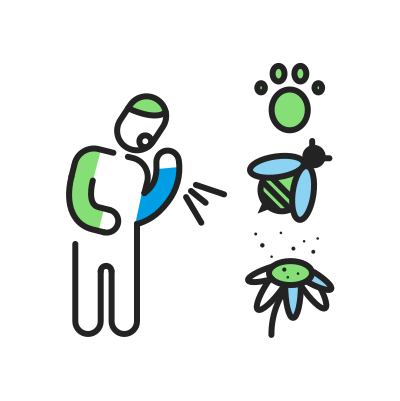
Avoid anything that dries your skin. Cold air, water, soap, perfume, dust, DIY and pollen.

Corticosteroids. When used correctly, corticosteroids are safe and effective.
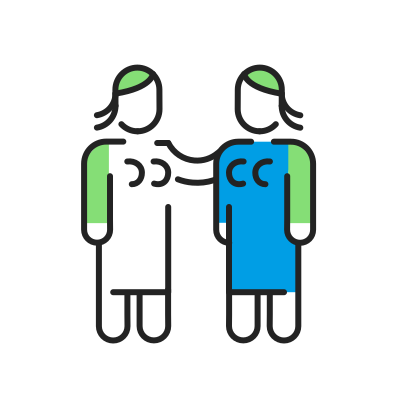
Social support. Patient associations tend to be very supportive; they offer advice and information through the participation of patients and/or relatives of people with atopic dermatitis.
Substantiated information by:


Published: 15 May 2020
Updated: 15 May 2020
Subscribe
Receive the latest updates related to this content.
Thank you for subscribing!
If this is the first time you subscribe you will receive a confirmation email, check your inbox