What is Chagas Disease?
Chagas disease or American trypanosomiasis is a disease caused by the protozoan parasite Trypanosoma cruzi (T. cruzi).
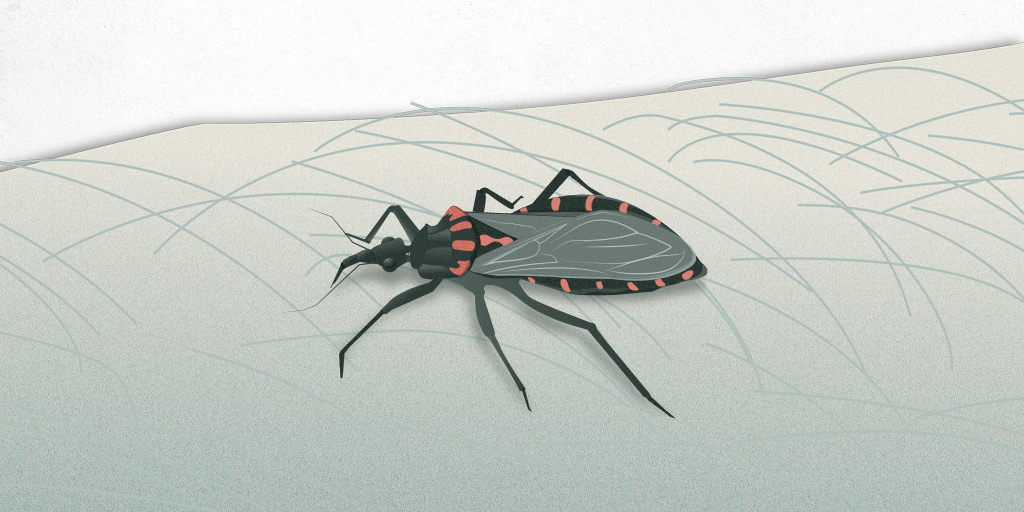
One of the features of this infection is that it can remain in the body for a long time without manifesting. It can affect the heart or the digestive system, which in some cases leads to death.
It is estimated that more than six million people have the disease, and the majority are not aware they have it. Every year, around 20,000 deaths are attributed to the infection. In Spain, it is estimated that there are 1,200,000 people at risk of contagion. Of these, 300,000 live in Catalonia.
Chagas disease does not affect men and women equally in terms of acquiring the infection, nor in terms of how the disease develops.
Chagas Distribution
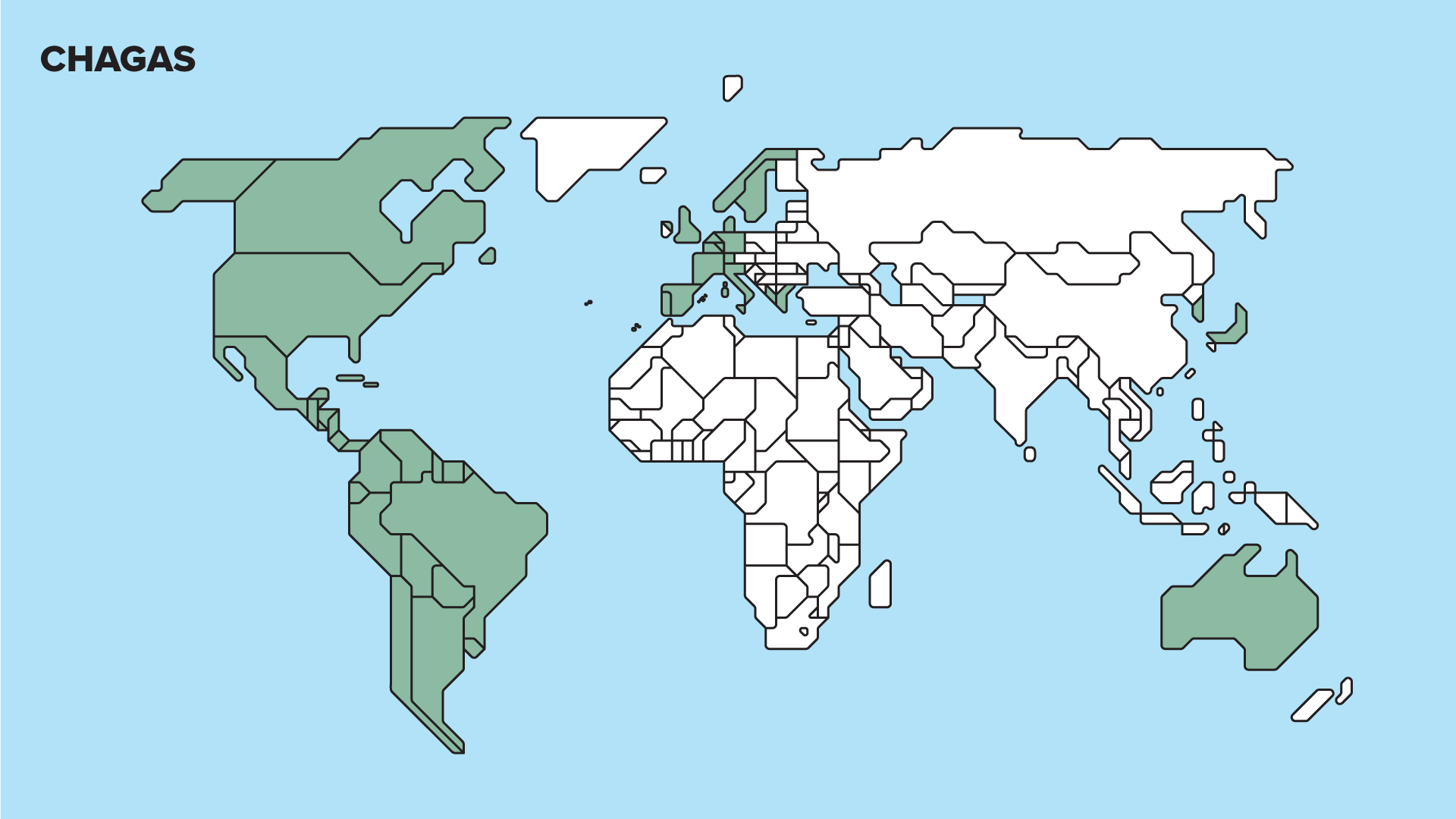
Chagas disease is traditionally endemic to (common in) South America, Central America and Mexico, where the disease is transmitted by insects, for example, by kissing bugs.
Nevertheless, migrant flows have allowed expansion of the disease to areas where it was previously unknown. Nowadays, there are affected people in places such as the United States, Europe, Canada, Japan and Australia.
Subscribe
Receive the latest updates related to this content.
Thank you for subscribing!
If this is the first time you subscribe you will receive a confirmation email, check your inbox