Organization - Preventive Medicine and Epidemiology Service
The Preventive Medicine and Epidemiology Department carries out three basic types of healthcare activity:
- Adult Vaccination Center (CVAC). This department offers specific and properly designated vaccination to all patients who visit the Hospital and who are in a situation that makes them more vulnerable to certain infectious diseases for which vaccines are available. Sometimes this situation requires a complex vaccination program, given the treatment that some patients may undergo. For this reason, the activity focuses on the vaccination of all those people who have a high risk of acquiring any of these communicable diseases. Similarly, the Department targets patients who have a higher risk of complications (splenectomized patients; immunosuppressed patients or patients undergoing immunosuppressive therapy or treatment with biologic drugs, and patients with a chronic disease).
The scope of action extends to those situations in which otherwise healthy people who have been in contact with a communicable disease require preventive intervention (chemoprophylaxis or vaccine). The Department also aims to be a reference point to help resolve more complex situations and to be able to deal with difficulties in carrying out an epidemiological control (outbreaks or other adverse events).Its main objective is to reduce the incidence and mortality of colorectal cancer (CRC) through the detection and treatment of colorectal adenomas and cancers in their early stages. It is aimed at men and women aged 50 to 69 included in the CRC screening program.
- Cancer Prevention Programs (PDPC):
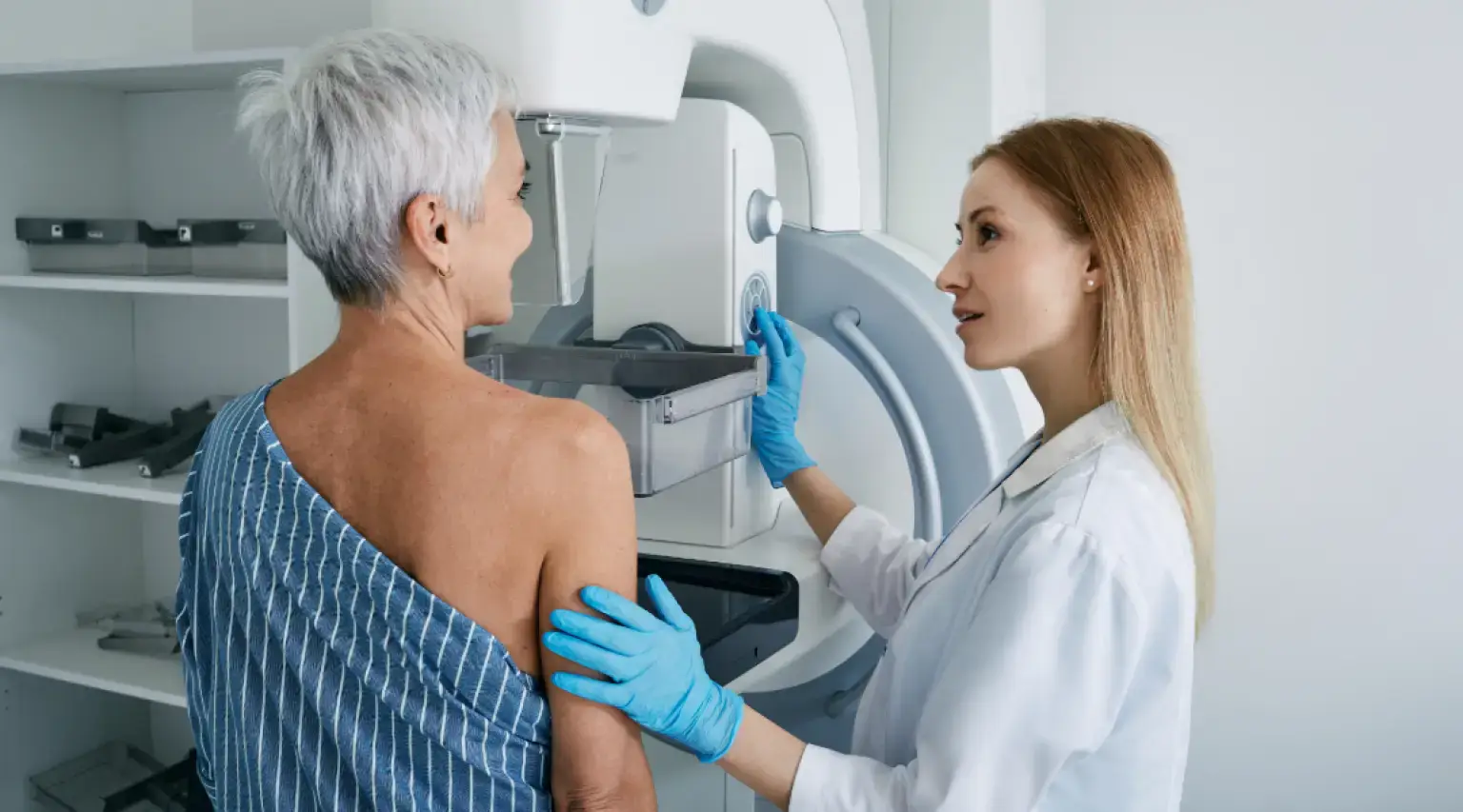
The Program for the Prevention of Breast Cancer. This program works to decrease breast cancer mortality by detecting early-stage cancers. The specific objectives of the PDPCM are the following:- Ensure access to and use of the screening program every two years for all women between the ages of 50 and 69.
- Increase breast cancer survival after five years by 10%.
- Reduce breast cancer mortality by 10%.
The PDP for colon cancer. The screening test is an immunological fecal occult blood test (PSOFi), with a single stool sample collected by the participant. The test is delivered to the Pharmacy Offices (OF), along with an instruction leaflet. The test is performed biennially. The test of choice for the investigation of positive cases in PSOFi is colonoscopy with analgesia or anesthesia. Colonoscopy is performed in the Endoscopy Unit of the Hospital Clínic, Gastroenterology Department, ICMDiM.
The Preventive Medicine and Epidemiology Department is part of the Clínic Institute of Internal Medicine and Dermatology, offering excellent healthcare Departments and carrying out teaching and research tasks.
The healthcare areas in which the Department works are:
- Epidemiological surveillance: This encompasses various activities such as surveillance, prevention and control (HAIs), in which we work together with other Departments such as Microbiology, Infections and Pharmacy; the detection and notification of mandatory notifiable diseases, the study and treatment of people who have been in contact with patients diagnosed with an infectious disease, investigation of outbreaks and other clinical safety programmes.
- Vaccination Centre: The main objective of the Vaccination Centre is to offer vaccination to all patients treated at the hospital who are more vulnerable to certain infectious diseases for which vaccines are available.
- Early detection programmes for breast and colon cancer (population screening):
- The breast cancer prevention programme has the overall objective of reducing breast cancer mortality by detecting cancer at an early stage through mammograms.
- The main objective of the colorectal cancer early detection programme is to reduce the incidence and mortality of CRC through the detection and treatment of colorectal adenomas and cancers in their early stages.
- Clinical safety and quality: DQiSC collaborators and active participation in the operation of safety centres.