Long Covid
Long COVID, also known as post-acute COVID-19 syndrome (PASC) is a condition that can affect numerous organs in the body. It occurs when certain debilitating symptoms of COVID-19 persist over time.
Long Covid can originate from asymptomatic or symptomatic infections and from severe cases of COVID-19 that required hospitalisation. Post-Acute COVID-19 cases with sequelae do not always occur in people who have required hospitalisation.
The vast majority of patients with pulmonary sequelae are people who have been hospitalised and needed oxygen, ventilation or anti-inflammatory treatment to control the immune response caused by the virus. In these patients, after the hyperinflammatory phase has resolved, residual pain, pulmonary scarring or even persistent inflammation may continue, sometimes requiring prolonged treatment.
Post-acute COVID-19 includes two subgroups:
- Long Covid: persistence of symptoms (present or not at the beginning of the infection) 4 weeks after infection, with a permanent, intermittent or progressive improvement course.
- PASC (Sequelae): irreversible tissue damage after 12 weeks that could trigger different degrees of dysfunction and associated symptomatology.
Children develop asymptomatic or much milder COVID-19 infection than adults. If there are symptoms, they are usually short-lived. However, mild and even asymptomatic cases have been observed to develop prolonged symptoms, such as:

Insomnia

Fatigue

Dyspnoea (shortness of breath)
Palpitations


Difficulty concentrating

Muscular weakness
As age increases, the risk of presenting with these symptoms also increases.
Although rare, the development of Multisystem Inflammatory Syndrome in Children (MIS-C) has been reported. It can appear 3 to 6 weeks after diagnosis and usually requires treatment to control the symptoms.
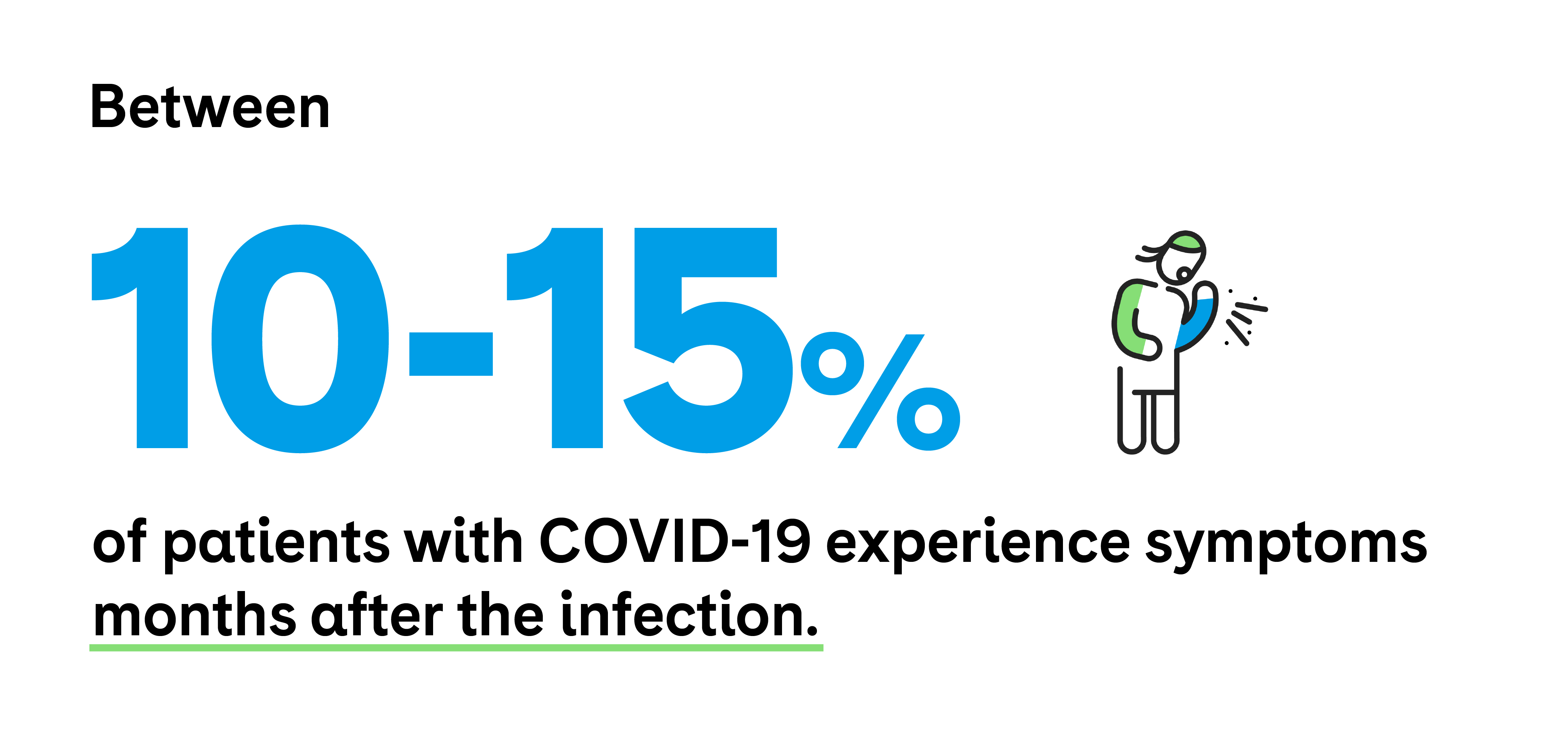
This condition may occur in at least 10–15% of patients with COVID-19 and represents an additional challenge for both patients and healthcare systems. There is evidence suggesting that cases of long COVID and/or PASC are currently less frequent than at the beginning of the pandemic
The causes of Long Covid are still not fully known, but some possible factors are believed to be:

Presence of viral reservoirs: cells that contain inactivated viruses.
Inflammatory damage in response to acute infection.
Alterations of the immune system produced by the interaction of the virus with the organism.
Microvascular thrombosis.
Patients with long COVID or post-acute COVID-19 (PASC) experience a wide spectrum of clinical manifestations. The most prevalent are fatigue (52%), cardiorespiratory symptoms (30-42%), such as dyspnoea, neurological symptoms (40%), such as headache and attention problems, among others.

Pulmonary effects: dyspnoea (shortness of breath) and coughing.

Cardiac effects: chest pain, arrhythmias, pericarditis.
Haematological effects: thrombosis (formation of blood clots) and decrease in blood cells.

Neurological effects: fatigue, headache, brain fog.
Dizziness
Loss of smell, taste and olfactory hallucinations: This symptomatology does not occur frequently but has been observed with the Omicron variant, and particularly affects young women (under 50 years of age). Patients who do not recover after 6 months, may suffer for a little longer or, in some cases, note sequelae. Therefore, olfactory training must be performed. This consists of teaching the sense of smell again, by exposure to certain fragrances or habitual odours, as there is no current treatment that reverses these symptoms.

Other psychological conditions may include anxiety, depression, sleep disturbances and post-traumatic stress disorder (PTSD). It is not yet known whether these manifestations are directly caused by the viral infection and the immune response triggered to combat the virus. The most common include anxiety, depression, sleep disturbances and post-traumatic stress disorder (PTSD).
Musculoskeletal effects: muscle and joint pain.
Gastrointestinal and hepatobiliary effects: diarrhoea, alteration of intestinal microbiota due to the decrease in beneficial microorganisms.
Endocrine effects: diabetes or worsening of prior diagnosed cases, irregularities in the menstrual cycle, thyroiditis and bone demineralisation.
Dermatological effects: hair loss (in 25% of cases), skin lesions and itchy skin or pruritus.
Diagnosis is fundamentally clinical, based on the presence of symptoms that would not be explained by a cause other than SARS-CoV-2 infection.
Currently, there is no treatment for Post-Acute COVID-19 syndrome, but there is for certain symptoms. After 3 months, many such patients improve and some are discharged.
The key treatment is physical and neurocognitive rehabilitation as well as psychological support. The symptoms of these patients have an impact on their quality of life, both physically and psychologically; therefore, following an approach in these two areas provides substantial improvement.
Physical activity can be difficult for patients with fatigue, and they will not have the same performance as before suffering COVID-19; however, they can improve by following a controlled, scheduled sequential plan.
A prolonged sedentary lifestyle, both in the acute phase and later, can lead to physical deterioration, increased fatigue and intolerance to exertion, as well as musculoskeletal diseases.
Although authorised COVID-19 vaccines have proven highly effective in preventing severe acute disease, their ability to prevent PASC or long COVID has not yet been fully established.
Current evidence suggests that vaccination may help mitigate the long-term effects of the virus; however, further research is needed to confirm and quantify this potential benefit.
A recent analysis reported fewer cases of PASC compared with earlier periods. Up to 28% of the reduction in PASC cases was attributed to changes in SARS-CoV-2 and other temporal factors, while 72% of the reduction was attributed to the effect of vaccination.
More evidence and research conducted by multidisciplinary teams is needed to understand the causes of these long-term effects.
There is a lack of information on the mechanisms triggered by the infection which is needed to improve the analysis and treatment of such diverse symptomatology and to enable the development of diagnostic tests, preventive measures and rehabilitative strategies
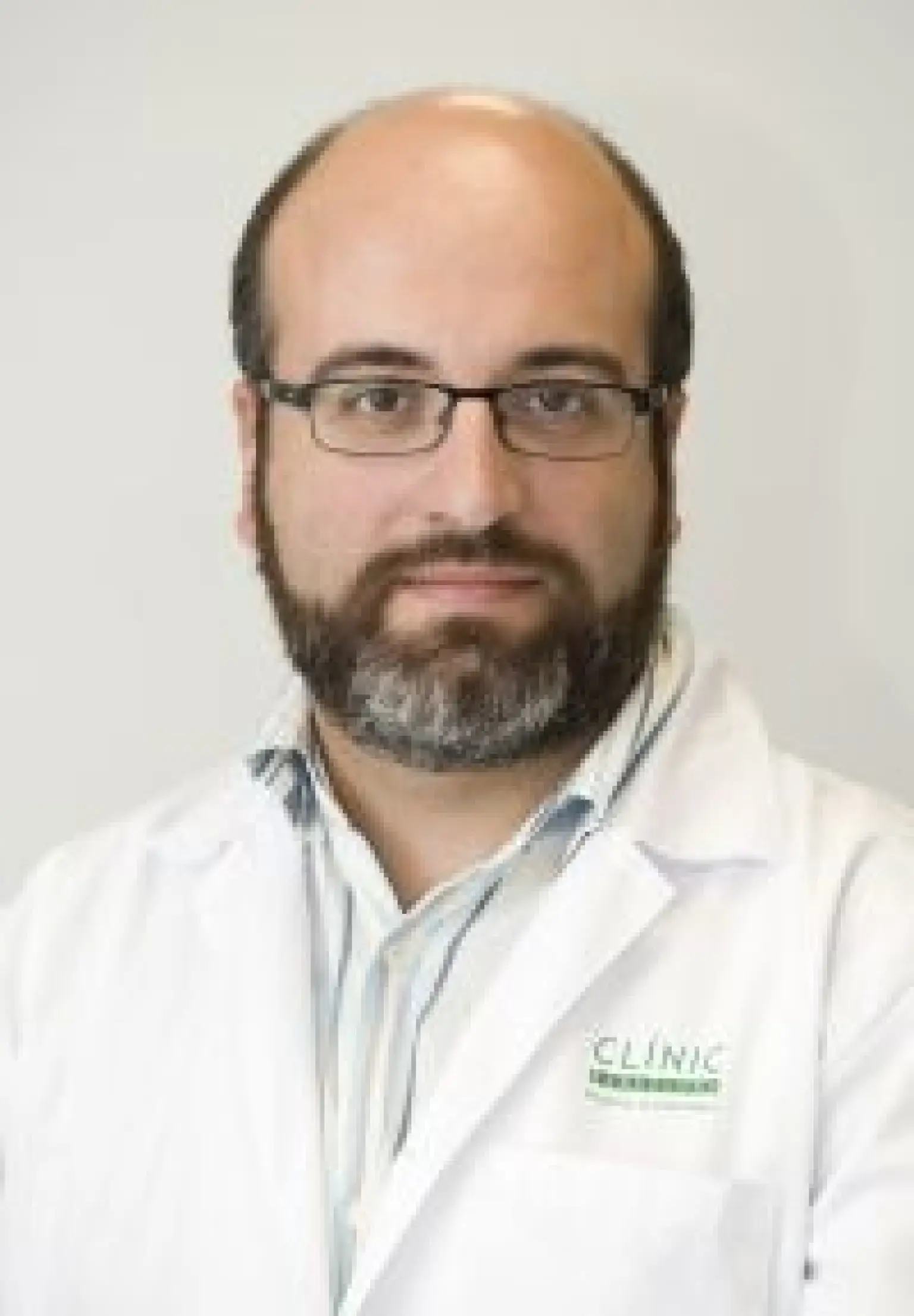
Substantiated information by:

Published: 12 March 2020
Updated: 16 March 2026
Subscribe
Receive the latest updates related to this content.
Thank you for subscribing!
If this is the first time you subscribe you will receive a confirmation email, check your inbox


