

27 August 2026
PortalClinic home
Joint project with
BBVA Foundation website.This link opens in a new tab.
Tratamiento de la postpartum psychosis
Reading time: 2 min
Postpartum psychosis requires immediate treatment and a multidisciplinary approach involving different healthcare professionals, including psychiatry, psychology, mental health nursing, obstetrics and gynaecology, and, where necessary, paediatrics. This approach helps to ensure comprehensive care for both the mother and baby.
The prognosis is generally favourable when the condition is recognised and treated promptly and appropriately. Clinical improvement may begin within days or weeks. However, treatment often needs to continue for several months, with adjustments made gradually according to the person’s clinical progress and under specialist supervision.

Hospital admission
Hospital admission is frequently required, particularly during the initial phase of treatment, to:
- Start treatment in a controlled and closely monitored environment.
- Ensure the safety of both the mother and the baby.
Where adequate support is available at home and there is no identified risk to the mother or baby, alternatives such as home-based treatment or partial hospitalisation (day hospital care) may be considered.

Pharmacological treatment
Treatment is tailored to the individual and may include:
- Antipsychotic medication: to treat psychotic symptoms and disorganised thinking.
- Mood stabilisers: such as lithium.
- Benzodiazepines: sometimes used as a short-term additional treatment for anxiety, insomnia and agitation.
If the mother wishes to breastfeed, the potential benefits and risks of continuing breastfeeding while taking medication will be carefully considered. The decision should be made on an individual basis, through shared and informed decision-making.
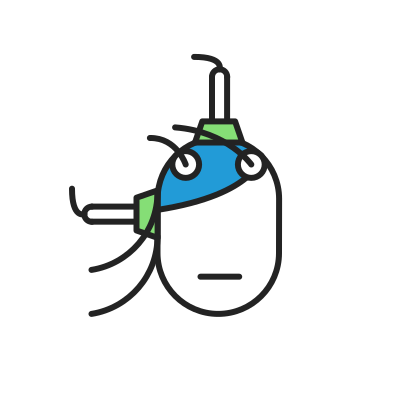
Electroconvulsive therapy (ECT)
- It is an effective and safe treatment, although it is not usually used as a first-line treatment.
- It may be considered in severe or treatment-resistant cases, or when a rapid response is needed.
Restoring sleep
Restoring adequate sleep is an important part of treatment, as lack of sleep can worsen symptoms and make recovery more difficult. Medication and practical measures to promote rest are often used together to help ensure an adequate rest, particularly at night.
Psychological and family support
- Psychoeducation for the mother and her family.
- Discharge planning and close follow-up after discharge.
PortalClinic home
Joint project with
BBVA Foundation website.This link opens in a new tab.
Sorry this content wasn't helpful to you. Send us your comment and we will take it into account to continue improving.
Thanks for your help!
An error has occurred and we were unable to send your opinion, please try again later.
Substantiated information by:
Alba Roca
Psychiatrist
Perinatal Mental Health Unit
Published: 21 September 2026
Updated: 21 September 2026
The donations that can be done through this webpage are exclusively for the benefit of Hospital Clínic of Barcelona through Fundació Clínic per a la Recerca Biomèdica and not for BBVA Foundation, entity that collaborates with the project of PortalClínic.
Subscribe
Receive the latest updates related to this content.
Thank you for subscribing!
If this is the first time you subscribe you will receive a confirmation email, check your inbox
An error occurred and we were unable to send your data, please try again later.

