Diagnosing self-harm cases
The diagnosis of self-harm is based on the criteria in the Diagnostic and Statistical Manual of Mental Disorders (DSM-5):
- On at least five days in the last year, the person has injured themselves in order to hurt themselves but not with the intention of suicide.
- The person self-harms for one or more of the following reasons:
- Relief from a negative feeling or thought.
- Resolving an interpersonal difficulty.
- Causing positive feelings.
- Before self-harming, the person experiences:
- Interpersonal difficulties or negative feelings or thoughts, including depression or anxiety.
- Frequent thoughts about self-harm.
- A frequent need to self-harm.
- The behaviour is not socially accepted (for example, getting piercings or tattoos, picking a scab or biting your nails are not considered to be self-harm).
- The behaviour causes distress or interferes with social, academic, or other important areas of functioning.
- The behaviour cannot be explained by any other mental disorder, neurodevelopmental disorder or other medical problem.
What is the doctor going to ask?
The doctor will probably ask for information about:
- Physical health.
- Social relations.
- The self-harm methods used.
- How often they self-harm.
- Situations or feelings that happen before self-harming.
- Strategies they have tried for avoiding self-harming.
- Plans to self-harm again.
- Thoughts of suicide.
This information will help the doctor decide what type of help they need.
When is medical attention urgently needed?
Some self-harm injuries may require urgent treatment. For example, you may need to call the emergency number if the person who has self-harmed:
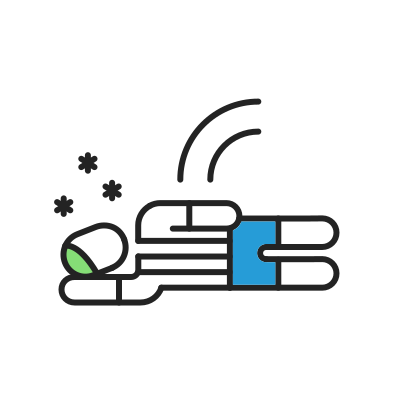
Is unconscious.
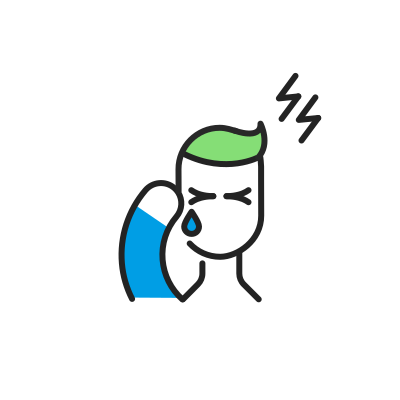
Is in a lot of pain.

Has difficulty breathing.
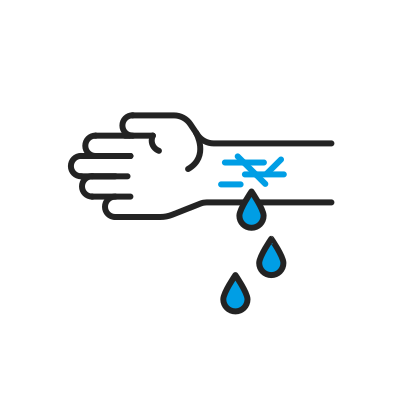
Is losing a lot of blood.
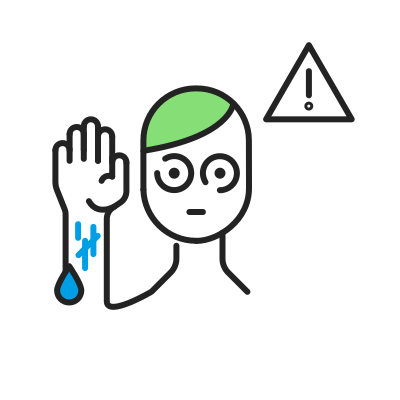
Is in shock after a serious cut or burn.
As well as getting professional help, people who self-harm or their family or friends can do things to reduce the probability of self-harming in the future.
Substantiated information by:

Published: 30 October 2019
Updated: 22 September 2025
Subscribe
Receive the latest updates related to this content.
Thank you for subscribing!
If this is the first time you subscribe you will receive a confirmation email, check your inbox