What is Chronic Kidney Disease?
Chronic kidney disease (CKD) is a progressive, irreversible deterioration of kidney function. It occurs when the kidneys gradually lose their ability to filter toxins, regulate fluid and electrolyte balance and produce essential hormones such as erythropoietin and active vitamin D. Its progression is often silent, making it one of the most underdiagnosed chronic diseases.
Chronic Kidney Disease explained in first person
The treatment of chronic renal disease must be adapted to each of the stages in the evolution of chronic kidney disease.
Try not to suffer too much, I mean you only have to look after your own health a bit more.
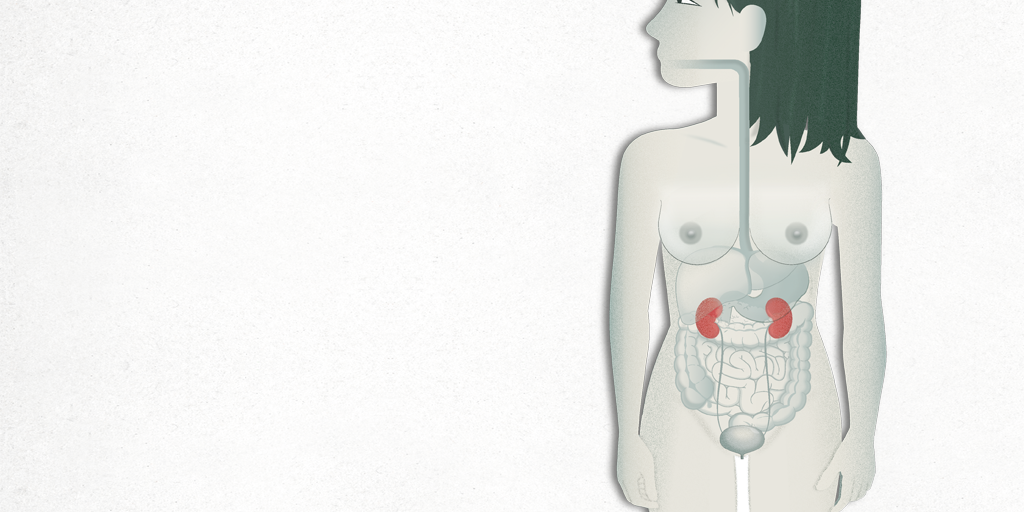
Kidney anatomy
The kidneys are formed by a twin pair of bean-shaped, fist-sized organs. They are located in the middle of the back, just above the waist. They are vital for survival, but humans can live and follow a normal life with just one kidney. Their main functions are to filter waste products from the blood and maintain the balance between the body’s salt (electrolyte) and water levels. The kidneys are part of the urinary system along with the urethra, urinary bladder and ureters.
In function of their weight, the average adult has between 4 and 6 litres of blood circulating around their body. The renal arteries supply and circulate blood through the kidneys. Each kidney relies on over 1 million tiny filters (nephrons) to purify/filter approximately 1500 litres of blood per day. The substances filtered by the kidneys, along with water, are transformed into urine. Urine leaves the kidneys via some small tubes (ureters) and then accumulates in the bladder. If the kidneys do not eliminate the by-products they accumulate in the blood and have a negative impact on the body.
The kidneys also produce hormones: active vitamin D, required to absorb calcium from foods; and erythropoietin, which regulates blood pressure and stimulates red blood cell production.
Els ronyons també produeixen hormones: la vitamina D activa necessària per absorbir el calci dels aliments i l’eritropoetina, important per regular la tensió arterial i estimular la producció de glòbuls rojos.
How many people are affected?
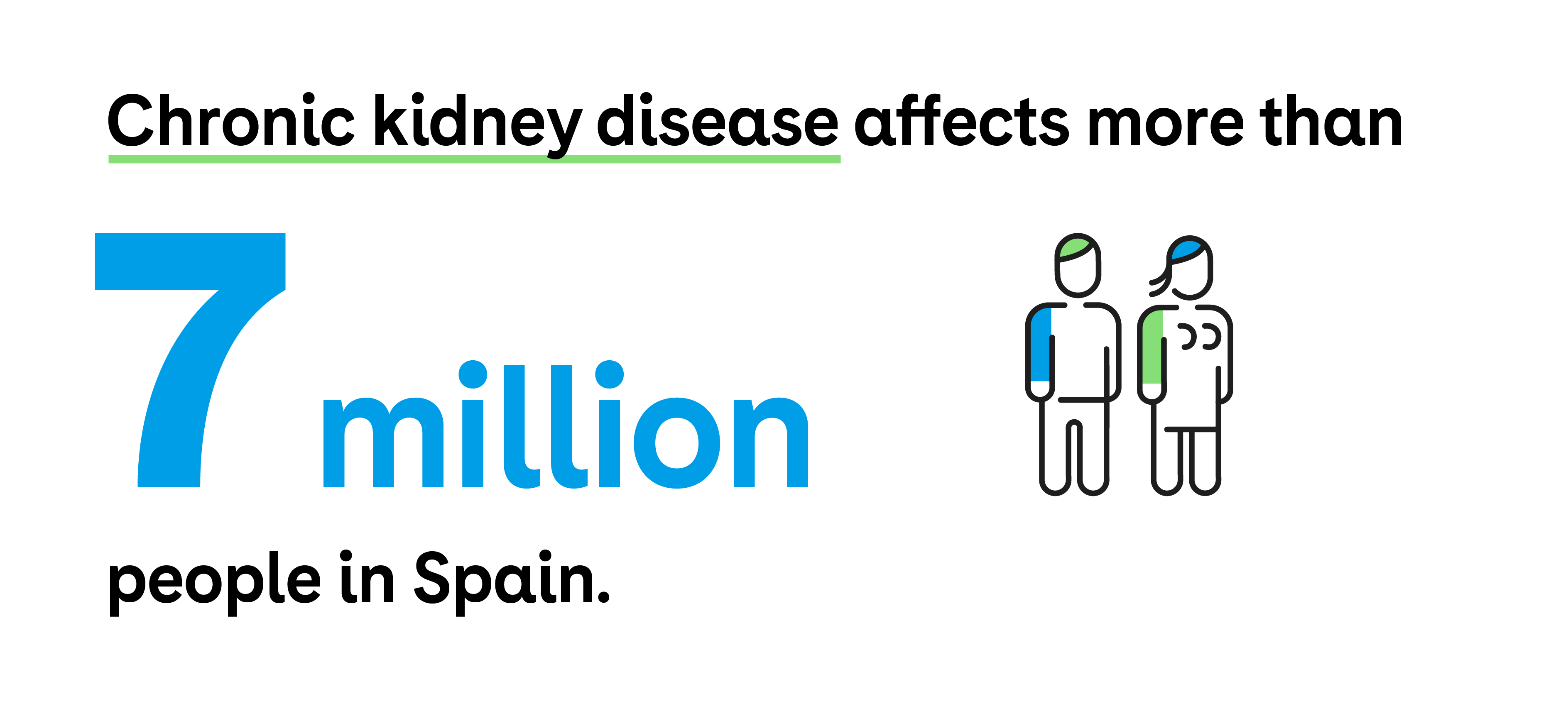
Chronic kidney disease (CKD) is a global public health problem estimated to affect 10–12% of the world’s population. In Spain, over 7 million people have some degree of CKD, with around 70,000 people requiring renal replacement therapy (RRT), including dialysis and transplantation.
In 2025, an increase in home treatment techniques were observed, particularly automated peritoneal dialysis and daily home haemodialysis, allowing for greater autonomy and improved quality of life.
Substantiated information by:


Published: 20 February 2018
Updated: 3 June 2026
Subscribe
Receive the latest updates related to this content.
Thank you for subscribing!
If this is the first time you subscribe you will receive a confirmation email, check your inbox


