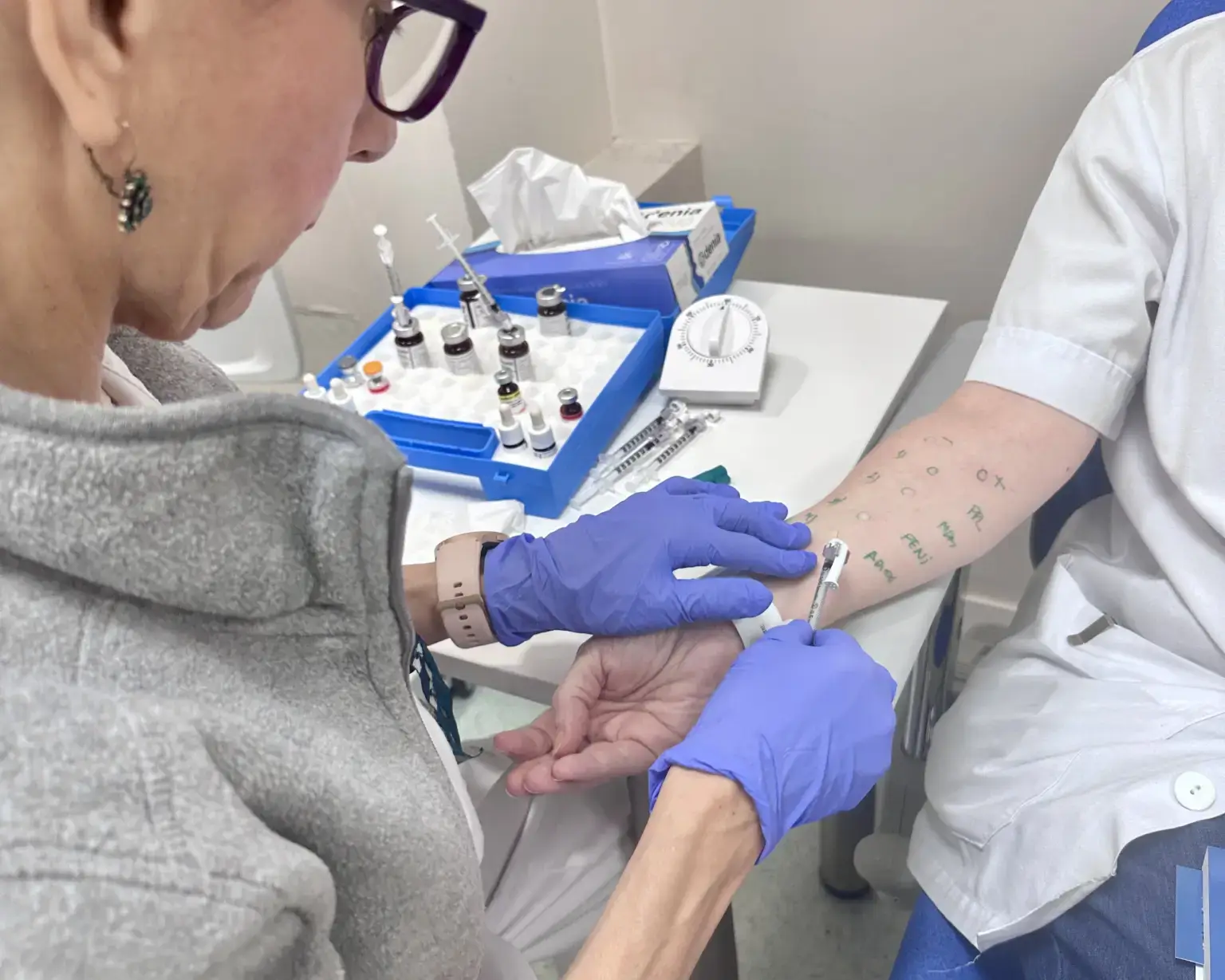
What is Chronic Urticaria?
Chronic urticaria is an inflammatory skin disorder characterised by the recurrent appearance of wheals or hives on the skin’s surface that cause intense itching. For the condition to be considered chronic, symptoms must persist for more than 6 weeks, with episodes occurring daily or almost daily.
Chronic urticaria explained in first person
It is difficult to explain because everyone believes it is an allergy. There is no miracle or cure other than properly treating the outbreaks.
The doctor told me that what I had was chronic hives, but the good news was that it can be cured.
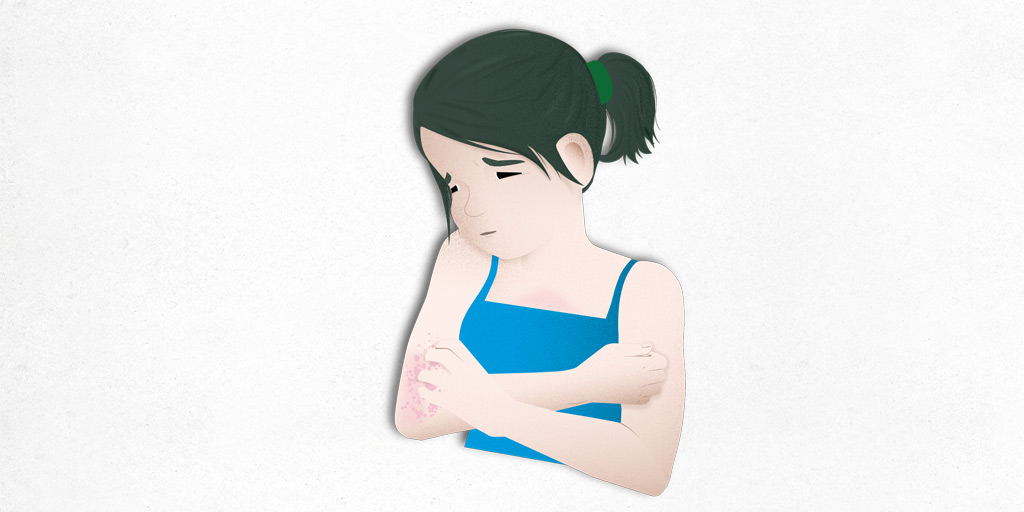
In some cases, chronic urticaria is accompanied by angioedema, a swelling beneath the skin in areas such as the lips or eyelids.
This condition not only affects the skin but also has a significant impact on the quality of life of those who suffer from it.
Types of Chronic Urticaria
There are two main forms of chronic urticaria:
- Chronic spontaneous urticaria: This appears without clear triggers. It is the most common type and, in many cases, no specific cause can be identified.
- Chronic inducible urticaria: In this form, the symptoms are triggered by physical stimuli such as cold, heat, friction, pressure, vibration, water or exercise.
In both cases, the skin reaction results from an abnormal release of histamine and other inflammatory mediators by cutaneous mast cells (immune cells), which produce the characteristic symptoms.
How many people are affected by Chronic Urticaria?
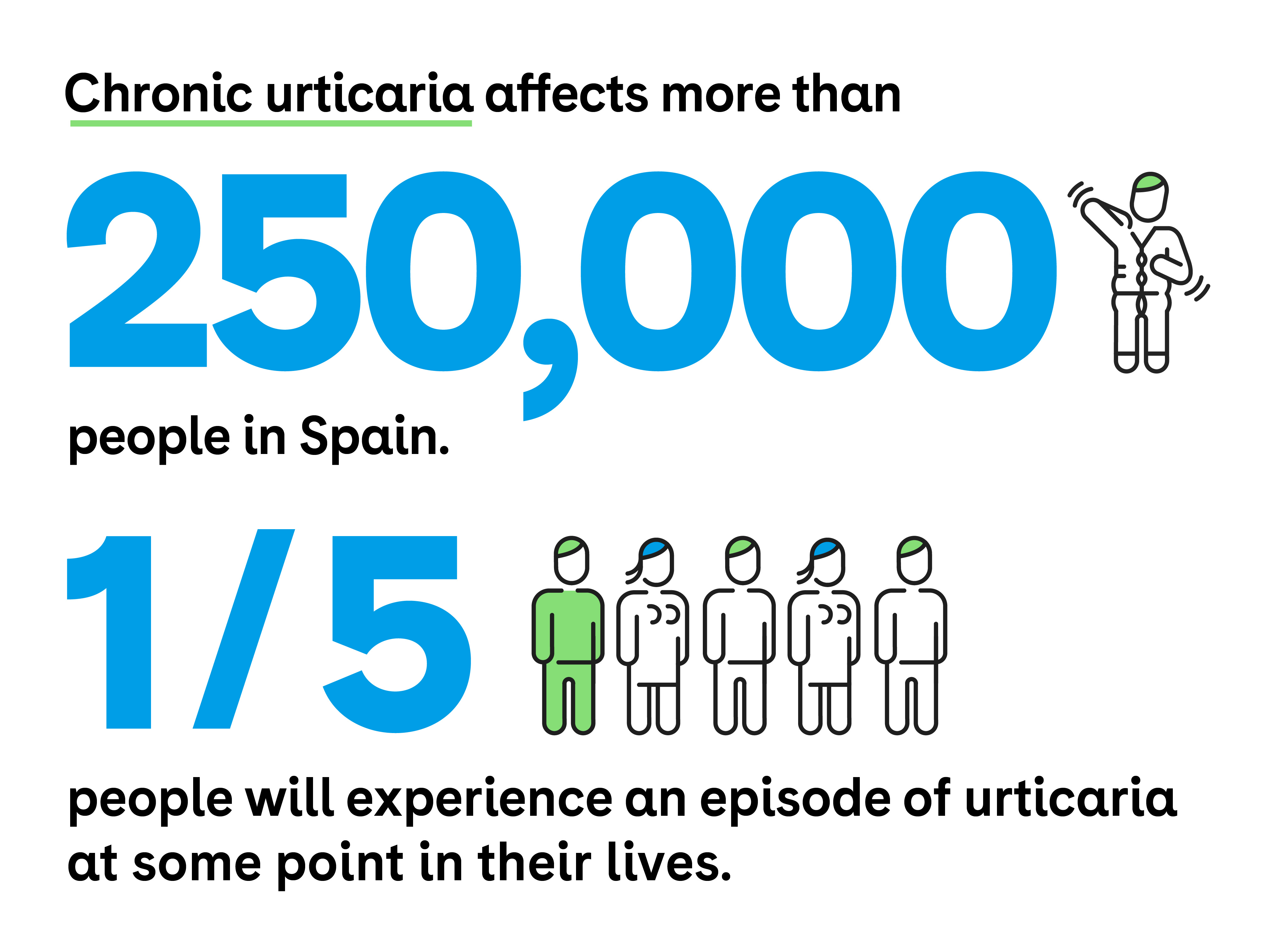
It is estimated that one in five individuals will experience an episode of urticaria at some point in their lives, generally in an acute and self-limiting form. However, the chronic form affects between 0.5% and 1% of the general population, more frequently in adult women. In Spain, it is estimated that more than 250,000 people live with this condition, highlighting its relevance as a public health issue.
Substantiated information by:


Published: 25 May 2020
Updated: 20 March 2026
Subscribe
Receive the latest updates related to this content.
Thank you for subscribing!
If this is the first time you subscribe you will receive a confirmation email, check your inbox