Recommendations for improved sleep
Sleep can be disrupted by many different disorders, which may cause difficulty falling asleep, excessive daytime sleepiness, unusual behaviours during sleep or disturbances in the sleep–wake rhythm. Although each disorder requires a specific assessment and treatment, adopting healthy sleep habits can help improve the quality of sleep and, in some cases, reduce or prevent some of its symptoms.
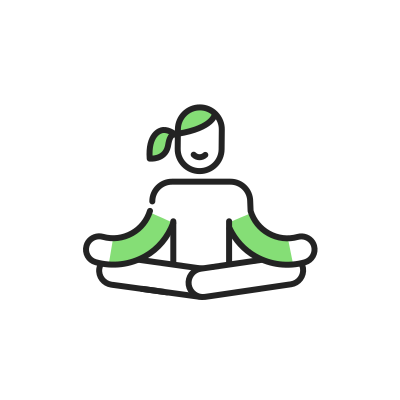
Do something relaxing before going to bed. Spending the last few minutes of the day doing relaxing activities can help you transition into sleep. Some options include reading, meditating, doing breathing exercises or listening to gentle music. Keeping a consistent bedtime routine can also help your brain recognise that it is time to sleep.
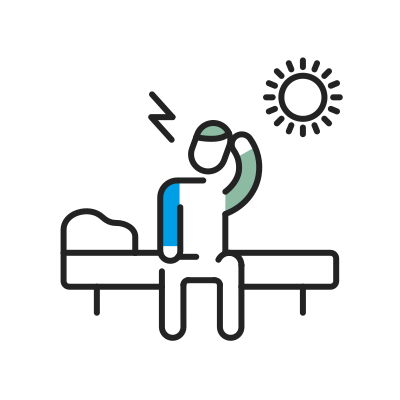
Avoid or limit naps, especially during times of trouble sleeping.
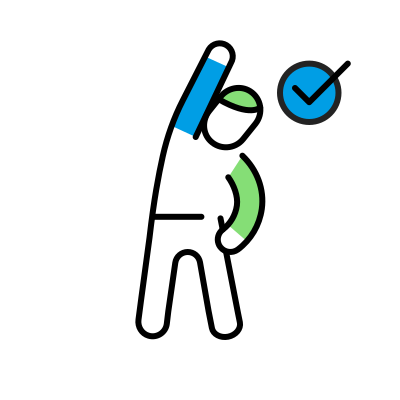
Do some physical activity every day; it helps you rest better. You should avoid exercising in the hours before bedtime.

Reduce consumption of stimulants, such as coffee, tea, caffeinated soft drinks or foods with a lot of sugar or chocolate, especially at the end of the day. Alcohol and tobacco can also interfere with a night's rest. Avoid large meals late in the day.
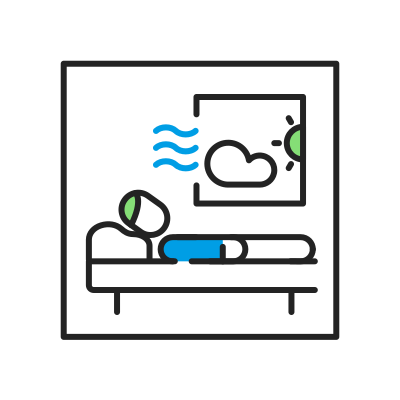
Modify your bedroom. You should have conditions that promote sleeping, such as low light, moderate temperature, while avoiding noise from appliances or from other people you share the room with. Other tips are: use that room only to sleep and have a comfortable mattress and pillows, which are not more than 10 years old.

Regulate daily exposure to light. Use daylight to help you regulate your body clock. You should be exposed to sunlight during the day and avoid light from screens at night.
Limit screen use before bedtime. It is recommended that you limit the use of electronic devices in the hours before bedtime. The light emitted by screens can delay the onset of sleep by reducing the secretion of melatonin, the hormone that helps regulate the sleep-wake cycle.
It is also important to distinguish between active and passive screen use:
- Active use (sending messages, checking social media, playing games or working) keeps the brain alert and can make it difficult to fall asleep.
- Passive use (listening to relaxing music, a podcast or content that does not require interaction) is less stimulating, although it is preferable to do so without being exposed to screen light.
If it is an episode of insomnia, you should try not to worry too much about it. The difficulty is probably only temporary. Forcing yourself to sleep can be counterproductive.
In these cases, the recommendation is to get up, leave the room where you sleep and do something monotonous or relaxing until you feel sleepy again. If the problem persists for more than 2 weeks, you should consult your family doctor.
Substantiated information by:

Published: 26 May 2022
Updated: 15 June 2022
Subscribe
Receive the latest updates related to this content.
Thank you for subscribing!
If this is the first time you subscribe you will receive a confirmation email, check your inbox