

27 August 2026
PortalClinic home
Joint project with
BBVA Foundation website.This link opens in a new tab.
Living with postpartum psychosis
Reading time: 3 min
Qualitative studies have reported that, after experiencing postpartum psychosis, some women may feel confused, frightened and sad by the sense that they have missed out on the “expected joys of motherhood”. The physical and emotional impact of this illness can be reduced through a structured, ongoing self-care programme, which may also help to prevent relapse.
Psychoeducation: understanding the condition
Helping the patient and their family to understand postpartum psychosis can help them cope with the distress it may cause and to understand the recovery process. It can also help to create a calm and supportive environment that promotes the safety of both the mother and the baby.
Healthy lifestyle habits
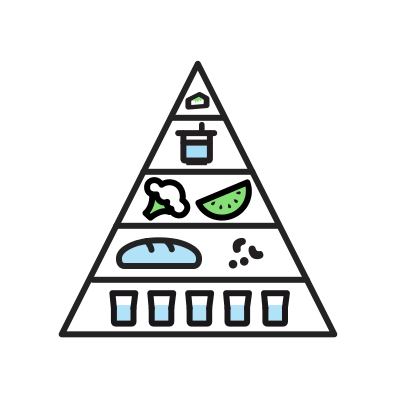
When experiencing postpartum psychosis, a person’s appetite may increase or decrease, and they may find it difficult to plan and prepare meals. It is important to eat regularly throughout the day, aiming for 3-4 meals even if you do not feel hungry. You should:
- Follow a varied and balanced diet that includes all major food groups. Ensure adequate protein intake if you follow a vegetarian or vegan diet.
- Avoid regularly eating foods that are high in sugar and fat.
- Limit drinks containing caffeine, such as coffee, tea and caffeinated soft drinks.
- Drink around 1.5–2 litres of water throughout the day, or 2–3 litres a day if you are breastfeeding.
- Avoid harmful substances.
Rest is particularly important in these circumstances. In addition to any pharmacological treatment, some basic sleep hygiene measures are recommended:
- Avoid stimulants, tobacco and/or alcohol, particularly in the afternoon and before going to bed.
- Avoid using computers, mobile phones or other stimulating devices in the hours before bedtime.
- Have a light evening meal around two hours before going to bed.
- Try to maintain a regular sleep routine by going to bed and getting up at roughly the same time each day.
- Make sure the bedroom provides a suitable environment for sleep, with a comfortable bed and a pleasant temperature.
- Try to rest or sleep when the baby is sleeping.
- If you are breastfeeding, share overnight care with another person where possible, for example by sharing nappy changes or helping your baby settle back to sleep.
It is important to take care of your emotional and physical needs. Periods of illness can also provide an opportunity to reflect on these needs. Try to find time to relax and take part in enjoyable or distracting activities that require little concentration and are manageable in your current circumstances.
Gentle exercise, such as a 20–30-minute walk or some stretching, at least once a day, can help regulate emotions and reduce anxiety.

Slow, deep breathing (diaphragmatic breathing) stimulates the vagus nerve, which sends signals to the brain that may help reduce anxiety and stress. Try breathing in slowly through your nose for four seconds, holding your breath for two seconds, and then breathing out slowly through your mouth for four seconds.

It is important to establish a daily routine that includes looking after your personal hygiene, particularly showering regularly. As well as being an important part of self-care, having a shower can help you relax and prepare for sleep. Personal hygiene may be affected during an episode of postpartum psychosis.
PortalClinic home
Joint project with
BBVA Foundation website.This link opens in a new tab.
Sorry this content wasn't helpful to you. Send us your comment and we will take it into account to continue improving.
Thanks for your help!
An error has occurred and we were unable to send your opinion, please try again later.
Substantiated information by:
Alba Roca
Psychiatrist
Perinatal Mental Health Unit
Published: 21 September 2026
Updated: 21 September 2026
The donations that can be done through this webpage are exclusively for the benefit of Hospital Clínic of Barcelona through Fundació Clínic per a la Recerca Biomèdica and not for BBVA Foundation, entity that collaborates with the project of PortalClínic.
Subscribe
Receive the latest updates related to this content.
Thank you for subscribing!
If this is the first time you subscribe you will receive a confirmation email, check your inbox
An error occurred and we were unable to send your data, please try again later.

