Risk factors of Glaucoma
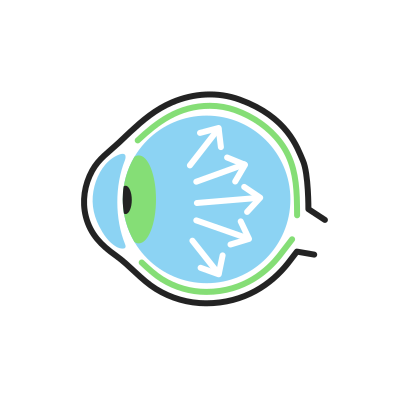
Elevated intraocular pressure (above 21 mmHg). High intraocular pressure is one of the most important risk factors for developing glaucoma, and lowering it is currently the only treatment with proven efficacy to slow disease progression. However, having high pressure does not necessarily mean having glaucoma, as not all patients with elevated pressure will develop the disease.

Age over 60 years. Age is also a major risk factor. The prevalence of glaucoma approximately doubles with each decade after the age of 40. Age-related changes in ocular tissues may play an important role in increasing susceptibility to the disease.
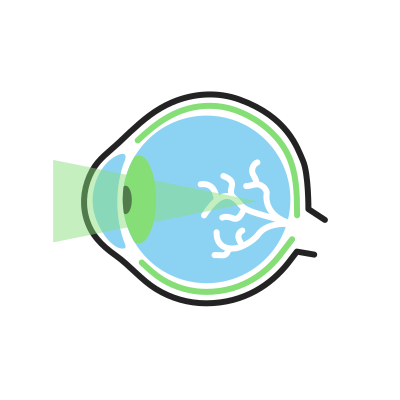
Myopia. Patients with myopia have up to three times higher risk. In addition, the increasing prevalence of high myopia (greater than −6 dioptres) is expected to contribute to a higher number of glaucoma cases.
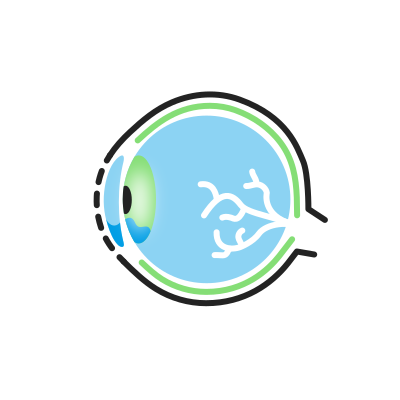
Thin corneas. Patients with a thin cornea (the transparent outer layer of the eye) are at higher risk.

Family history. Having a family history increases the risk fourfold, and up to 8–10 times if first-degree relatives (parent or sibling) are affected.

Ethnicity. Individuals of African or Afro-Caribbean descent are up to six times more likely to develop glaucoma.

Circulatory alterations. Certain vascular factors, such as low blood pressure, uncontrolled hypertension, migraines, or sleep apnea, are associated with some types of glaucoma.
Causes of glaucoma
In the most common type of glaucoma (primary open-angle glaucoma), a dysfunction has been described in the eye’s drainage system (the trabecular meshwork), preventing the fluid inside the eye from draining properly. Although the drainage system is open (not blocked or obstructed by other ocular structures), it does not function correctly. The exact reason for this is still not well understood (hence the term “primary”).
Approximately 70% of glaucoma cases occur with intraocular pressure levels above normal (greater than 21 mmHg). However, in about 30% of cases, intraocular pressure is not elevated at the time of diagnosis.
Substantiated information by:


Published: 19 October 2018
Updated: 19 October 2018
Subscribe
Receive the latest updates related to this content.
Thank you for subscribing!
If this is the first time you subscribe you will receive a confirmation email, check your inbox
Glaucoma related news


30 November 2023
What are the most common eyelid diseases?

16 October 2023