Living with Dry Eye
Dry eye syndrome is a chronic disease that, although it does not have a definitive cure, can be controlled. That means that in order to not have any signs or symptoms, continuous treatment must be maintained based on an action protocol that depends on the severity in each patient.
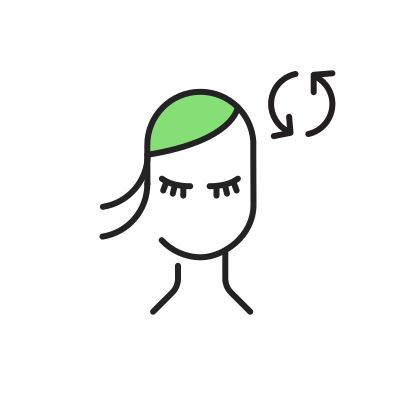
Blink frequently and have short pauses every 20 minutes (look into the distance for 20 seconds) while using the computer, reading, or watching television. The computer screen can also be placed a little lower in order to look down and have less exposure of the eye surface and, thus, reduce evaporation of the tear.
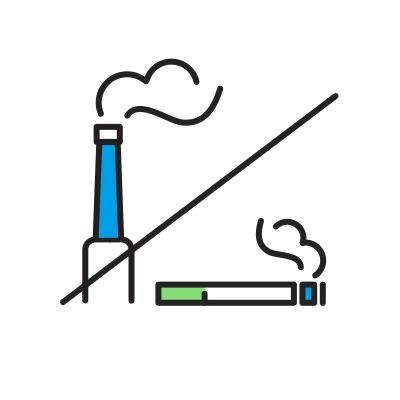
Avoid environments with tobacco smoke or with a lot of pollution.
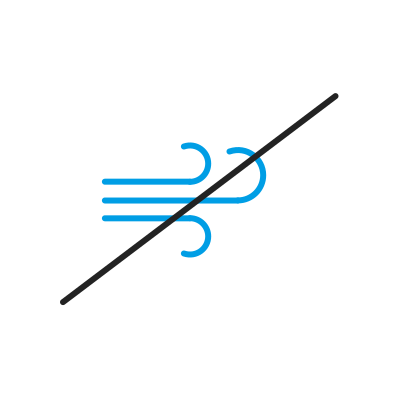
Avoid air currents as much as possible (car windows, wind), dry environments (ventilators, hair dryers, heating, air conditioning, airplanes) as they can lead to the evaporation of the tear. The use of humidifiers is advisable in places with heating or air conditioning.
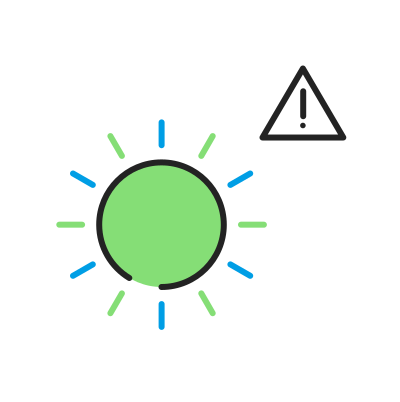
Avoid ultraviolet light (UV) with sunglasses with an adequate UV filter (that blocks 100% of the UV rays) on going outside during daylight hours for every month of the year. Large glasses with thick temples in order to reduce evaporation of the tear film.
Include foods rich in omega-3 fatty acids, like blue fish (salmon, sardines, tuna, mackerel, trout), nuts, or flax seeds. It is also recommended to drink more water.
Many oral medications can make dry eye syndrome worse. Among these are included the anti-histamines (allergy), the beta-blockers (arterial hypertension), antidepressants (depression), diuretics (arterial hypertension), tranquilisers (anxiety), anti-psychotics (psychosis), anti-Parkinson’s medications (Parkinson’s), isotretinoin (juvenile acne), oestrogens (menopause, etc.), chemotherapy (cancer). It is advised to consult the medical team that has prescribed the drug on the possibility of reducing the doses, change the administration route, or the medication.
Watch contact lenses and maximise hygiene measures. If the dry eye symptoms appear with contact lenses, ask the professional responsible on the advisability of changing the design, dispose of them sooner, change the products for disinfecting them or introduce artificial tears compatible with their use. It is also recommended to be very scrupulous in their cleaning and in their replacement time. If, despite all this, the discomforts continue, they will have to stop being used.
Sleep a minimum of 7-8 hours, and have an organised life without high levels of stress that includes moderate exercise and a healthy diet.
Substantiated information by:

Published: 23 May 2019
Updated: 22 January 2026
Subscribe
Receive the latest updates related to this content.
Thank you for subscribing!
If this is the first time you subscribe you will receive a confirmation email, check your inbox
Dry Eye Syndrome related news


30 November 2023
What are the most common eyelid diseases?

16 October 2023